Reviewing the Earth Day Quote SVG for Embroidery
As a designer who spends half my life staring at digitized paths and the other half pulling bobbins out of tangled messes, I approach every new machine embroidery design with a healthy dose of skepticism. We have all been there: you download a cute graphic, load it onto your machine, and watch in horror as the thread birds-nests into an unrecognizable blob. That is why when I recently evaluated the Earth Day Quote SVG Design, Make Every D, I was not just looking at the preview image. I was looking for structural integrity, stitch logic, and real-world usability.
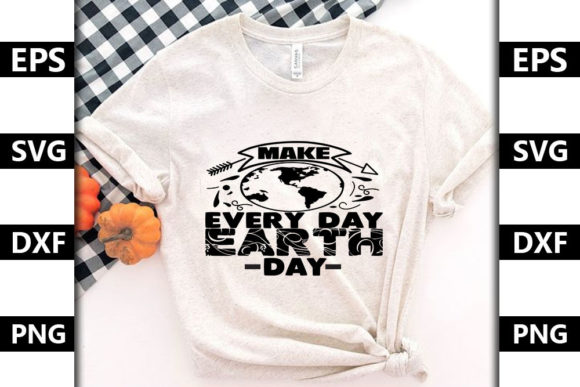
This particular asset arrives as a multi-format package, including SVG, PNG, DXF, AI, and EPS files. For those of us in the craft business, this versatility is immediately appealing. However, my focus here is strictly on how this design translates from a digital vector into a tangible embroidered patch or apparel decoration. The theme—"Make Every Day Earth Day"—is timeless, but execution is everything. Let’s break down how this design holds up under the needle.
First Impressions: Mood and Layout
The first thing that strikes me about this Graphics package is its clean, typographic confidence. It does not rely on overly complex illustrations that demand thousands of stitches. Instead, it leans into a minimalist aesthetic that works beautifully for modern T-Shirt Designs. The mood is calm, responsible, and inviting. It avoids the cluttered look that plagues many eco-themed designs, opting instead for clear legibility.
From a layout perspective, the balance between text and any accompanying graphical elements feels intentional. For an embroidery project, this is crucial. Complex gradients or tiny details often get lost in translation when converted to thread. This design appears to respect the limitations of the medium. The shapes are bold enough to hold their form, suggesting that the underlying stitch density has been considered to prevent fabric puckering.
Real-World Application: The Tote Bag Test
To truly judge a design, you have to imagine it on a product. I visualized this quote stitched onto a heavy canvas tote bag design. This is a staple item for any Etsy seller or small shop owner targeting eco-conscious consumers. The natural texture of canvas provides a sturdy base for the stitches, allowing the thread to sit prominently without sinking into the weave.
In this scenario, the design shines. The quote serves as both a statement and a decorative element. Using a variegated green thread for the "Earth" elements and a crisp white or cream for the text would create a striking contrast against a natural beige or dark olive fabric. The result is a handmade product that feels premium rather than mass-produced. It is the kind of item a customer buys not just for utility, but because the finished product aligns with their values.
Beyond tote bags, I see this working exceptionally well on sweatshirt embroidery. A left-chest placement on a heather grey crewneck would look understated and professional. It transforms a basic garment into custom apparel that people actually want to wear. For baby embroidery, such as on organic cotton onesies, the design’s simplicity ensures it remains soft and flexible, avoiding the stiff, plastic-like feel of overly dense stitching.
Technical Considerations and Fabric Choices
While the design is versatile, it is not universal. As an experienced reviewer, I must point out where caution is needed. If you are planning to use this on thin or stretchy fabrics, such as rayon or lightweight jersey, you must prioritize your stabilizer choice. A cut-away stabilizer is non-negotiable here to maintain the shape of the letters over time and through washes.
Another critical factor is hoop size. Before purchasing or downloading, always confirm the dimensions fit your machine’s capabilities. If the design includes fine lines or small serifs, stitching them on a textured fabric like terry cloth or waffle knit could result in lost detail. In such cases, I recommend testing a sample on scrap fabric first. Check the thread colors against your background. High contrast is key for readability, especially if the design is intended for holiday embroidery gifts where quick visual impact matters.
For those considering this for commercial embroidery projects, pay attention to the stitch types. While I cannot verify the exact digitizing without seeing the DST or PES file, a design of this nature should ideally utilize a mix of satins stitch for borders or smaller text and fill stitch for larger graphical elements. Avoid designs that rely too heavily on running stitch for large areas, as these can look sparse and unprofessional on final products.
Enhancing Brand Value and Customer Trust
Why does the quality of your digital embroidery file matter? Because it directly impacts your brand consistency. When a customer receives a personalized gift or a boutique item, they are judging your professionalism based on the clarity of the stitch work. A clean, well-digitized design like this one builds trust. It shows that you care about the details.
For small shop product lines, consistency is vital. If you are creating a series of eco-friendly items, this design can serve as a anchor piece. It pairs well with other nature-inspired motifs, allowing you to create cohesive collections for printable mockup previews and social media marketing. The visual appeal of the design helps in buyer engagement; it is Instagram-ready straight off the hoop.
Practical Designer Notes for Best Results
Before you commit to production runs, here are my top recommendations for getting the most out of this applique design or standard embroidery file:
- Test on Scrap Fabric: Always run a test stitch-out on the same material you plan to use for the final product. This reveals any tension issues or registration errors.
- Check Thread Contrast: Use a color wheel to ensure your thread choices pop against the fabric. Dark threads on dark fabrics rarely work unless you are aiming for a subtle, tonal look.
- Review Stitch Density: If the design feels too stiff after stitching, consider reducing the density in your editing software if you have the appropriate file format.
- Confirm Licensing: Since this is a design assets package, ensure you understand the license terms. Can you sell the finished physical items? Can you resell the digital file? Always clarify this before listing on Etsy or other platforms.
- Inspect Small Details: Zoom in on the preview. Are there tiny isolated stitches that might pull out? If so, you may need to manually edit the file or choose a different size.
In conclusion, the Earth Day Quote SVG Design, Make Every D offers a solid foundation for creators looking to expand their eco-friendly product lines. It is not just a graphic; it is a tool for storytelling through thread. By respecting the technical constraints of embroidery and choosing the right materials, you can turn this simple design into a high-value small business merchandise staple. Whether for a cap, a kitchen towel, or a limited-edition tee, this design proves that sustainability and style can indeed go hand in hand.