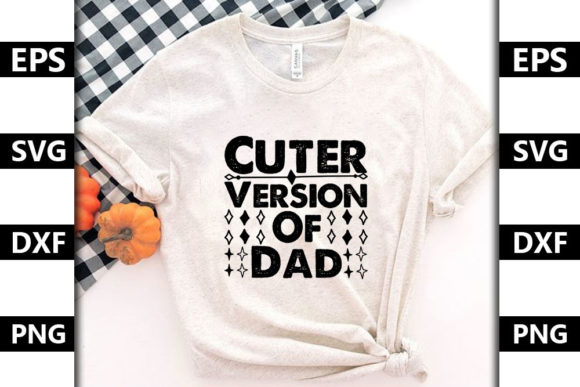
Reviewing the Baby Quote SVG Design for Embroidery
As a designer who spends half my life staring at digitized files and the other half pulling threads out of bunched-up fabric, I have learned to be skeptical of digital assets that promise cuteness without delivering structural integrity. When I first opened the Baby Quote SVG Design, Cuter Version of, my initial reaction was one of cautious optimism. The visual personality is undeniably charming, leaning into that soft, whimsical aesthetic that dominates the nursery and baby apparel market. However, charm does not always translate well to needle and thread. My job here is to determine if this graphic holds up when subjected to the mechanical realities of an embroidery machine, or if it remains merely a pretty picture for scrapbooking.
First Impressions and Visual Mood
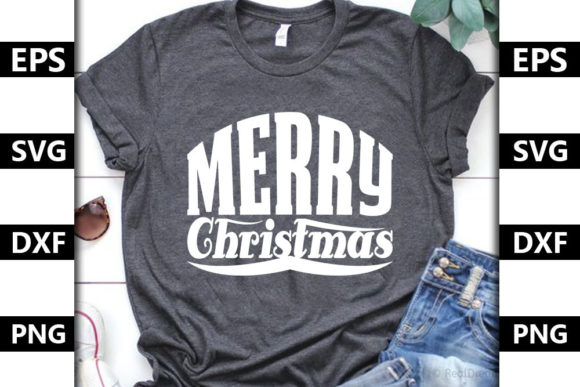
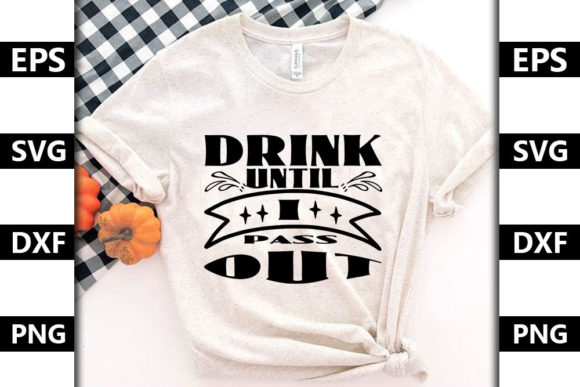
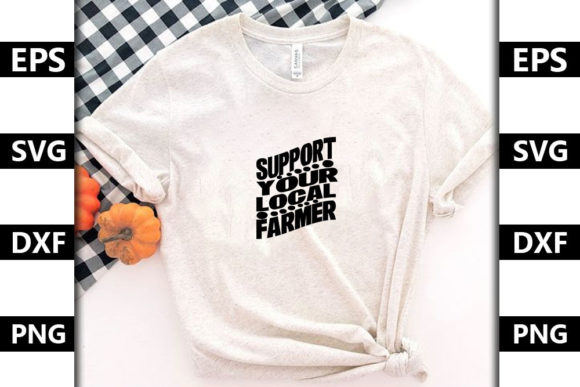
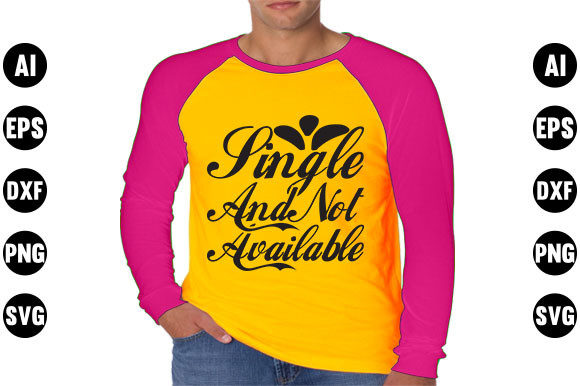
The design exudes a gentle, playful mood. It is clearly intended for projects that evoke warmth and affection. From a layout perspective, the elements are balanced, avoiding the chaotic clutter that often plagues free or low-cost digital clip art. For an embroidery project, this spacing is crucial. Tight clusters of details can lead to thread breaks and bird’s nests on the back of the hoop. This design appears to respect negative space, which is a good sign for stitch clarity. The theme is versatile enough to work across various T-Shirt Designs and home decor items, but its primary strength lies in its ability to convey a personalized sentiment without overwhelming the substrate.
Real-World Application: The Custom Tote Bag Test
To truly evaluate the Baby Quote SVG Design, Cuter Version of, I imagined a specific real-life scenario: a custom order for a new mother’s tote bag. This is a common request for Etsy sellers and craft business owners. The client wants something durable yet sentimental. I visualized placing this design on a heavy canvas tote. Canvas has a distinct fabric texture that can swallow fine details if the stitch density is too low.
If this file were a true machine embroidery design with optimized underlay, it would sit beautifully on the canvas. The quote would serve as the focal point, drawing the eye immediately. However, since the product description lists SVG, PNG, DXF, AI, and EPS files, we are dealing with vector graphics intended primarily for cutting machines or print. To use this for embroidery, one must either convert it using auto-digitizing software or manually digitize it. If you are an embroidery designer, you know that auto-digitizing a complex quote can result in messy running stitch paths and poor letter connectivity. My advice is to treat this as a base layer. Use the SVG to trace your own satin columns for the text, ensuring smooth edges that won’t fray after washing.
Performance on Different Substrates
Let’s discuss how this graphic performs across different materials. For sweatshirt embroidery, the plush surface of fleece or French terry requires higher stitch density to prevent the fabric from peeking through the letters. If you are using this design for a personalized gift like a baby blanket, you must consider the stretch. Knit fabrics shift under the needle. Without proper stabilization, even the cutest design will pucker and distort.
For baby embroidery on onesies, the scale is critical. These garments are small. If the quote is too large, it will wrap around the sides of the torso, looking awkward. If it is too small, the fine lines of the font may become indistinguishable blobs of thread. I recommend testing the design at 50% and 75% scale on scrap fabric before committing to the final garment. This is especially important for custom apparel where customer satisfaction hinges on professional presentation.
Challenges with Curved and Textured Surfaces
Using this design on curved surfaces, such as caps or hats, presents unique challenges. The hoop size limitation means you might need to split the design or reduce it significantly. On a cap, the curvature can distort horizontal lines. If the quote has long, straight words, they may appear to bow outward once stitched. Additionally, textured fabrics like towels or waffle knit require careful attention to thread colors. High contrast is your friend here. A light thread on a dark towel might get lost in the pile, while a matching tone will vanish entirely. Always check your design in black and white mockups to ensure legibility regardless of color choice.
Commercial Viability and Brand Consistency
For small shop product lines, consistency is key. If you are building a brand around minimalist baby goods, this design fits well. It enhances the perceived value of the finished product because it looks intentional and polished. However, if you are selling digital embroidery file packages, you need to be transparent about what the buyer is receiving. Since this package includes SVG and DXF files, it is ideal for customers who own their own digitizing software or cutting machines. It is less suitable for beginners who expect a ready-to-stitch PES or DST file unless you clarify that conversion is required.
From a marketing standpoint, this design supports strong printable mockup creation. You can easily place the SVG onto digital templates of tote bags, pillows, and shirts to create compelling listings for your Etsy seller store. High-quality visuals drive engagement, and this graphic provides a clean base for those visuals. Just remember that the mockup is not the final stitch-out. Always manage customer expectations regarding the difference between a crisp vector image and a textured embroidered result.
Practical Designer Notes for Best Results
Before you load this design into your workflow, keep these practical tips in mind:
- Test on Scrap Fabric: Never skip this step. Stitch the design on the same type of fabric you plan to use for the final product. This reveals issues with tension, density, and stabilizer choice.
- Check Thread Contrast: Ensure the thread color stands out against the fabric. Low contrast can make the quote unreadable, defeating the purpose of the design.
- Review Stitch Density: If you digitize this yourself, adjust the density based on the fabric. Thicker fabrics need more coverage; delicate fabrics need less to avoid perforation.
- Confirm Hoop Size: Measure the design dimensions against your machine’s maximum hoop area. You may need to resize or split the design for smaller hoops.
- Inspect Small Details: Zoom in on the vector file. Are there tiny anchor points or stray nodes? Clean up the SVG before digitizing to prevent unnecessary jumps or trims.
- Use Proper Stabilizer: For stretchy knits, use a cut-away stabilizer. For woven cottons, a tear-away may suffice. The right stabilizer prevents puckering and ensures longevity.
- Verify Licensing: Before selling finished items or design assets derived from this file, confirm the commercial use rights. Understanding the license protects your craft business from legal issues.
Final Verdict on the Design Utility
The Baby Quote SVG Design, Cuter Version of is a solid asset for creators who understand the bridge between vector graphics and textile art. It is not a plug-and-play embroidery file, but rather a high-quality source graphic that invites customization. For the experienced embroidery designer, it offers a reliable foundation for creating unique applique design variations or standard satin-stitched quotes. For the hobbyist, it provides a cute element for iron-on transfers or vinyl cuts if embroidery proves too complex.
Ultimately, the success of this design in your commercial embroidery or personal projects depends on your preparation. Respect the material, choose the right stabilizer, and digitize with intention. When done correctly, this graphic elevates a simple piece of fabric into a cherished personalized gift or a best-selling small shop product. It balances aesthetic appeal with functional versatility, making it a worthy addition to your library of Graphics for seasonal and everyday creations.