Review: I Ate Santa SVG for Holiday Embroidery
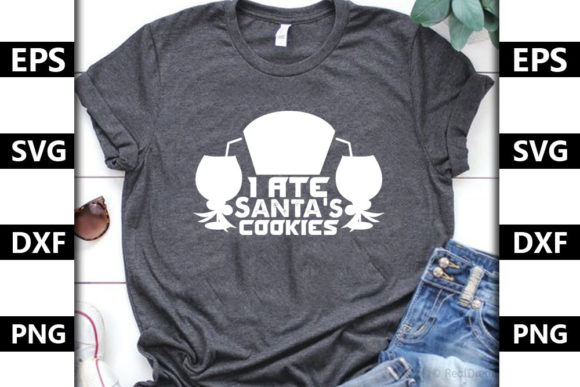
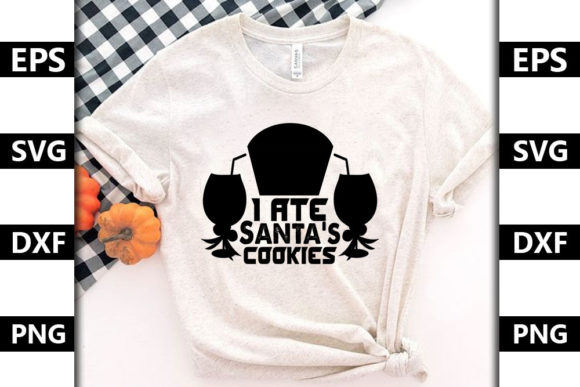
As an embroidery designer who has spent countless hours digitizing and stitching holiday motifs, I approach every new Christmas Quote SVG Design, I Ate Santa with a mix of excitement and skepticism. The market is flooded with festive graphics, but few translate well from a flat digital screen to the textured reality of thread and fabric. This particular design, featuring the playful phrase "I ate Santa’s cookies," promises a whimsical touch for holiday projects. But does it hold up under the needle? After reviewing the file structure and visualizing its application on various garments, I have formed a clear opinion on its utility for serious crafters and small business owners.
First Impressions and Visual Personality
The immediate appeal of this machine embroidery design lies in its humor. It captures that mischievous, cozy spirit of Christmas morning without being overly saccharine. Visually, the layout appears balanced, with the text serving as the focal point. For an embroidery project, this is crucial. Complex illustrations often get lost in stitch density, but a quote-based design relies on legibility. The typography in this Graphics package seems chosen for clarity, which is a good sign for stitching. However, as a reviewer, I look beyond the PNG preview. The included EPS, SVG, and DXF files suggest versatility, but for embroidery, we must consider how these vector paths translate into satin or fill stitches.
The mood is lighthearted and family-friendly. It fits naturally into the category of T-Shirt Designs that appeal to children and adults alike. When I imagine this stitched out, I see it working best on casual wear rather than formal holiday attire. It is a conversation starter, designed to elicit a smile. For an Etsy seller or craft business owner, this emotional connection is what drives sales. It is not just a pattern; it is a moment of holiday joy captured in thread.
Real-World Application: The Sweatshirt Test
To truly evaluate this digital embroidery file, I mentally placed it on a heather grey crewneck sweatshirt. This is a staple item for any small shop product line during the fourth quarter. The contrast between dark thread and light fabric would make the text pop. However, the curvature of the chest area presents a challenge. If the design is too wide, it will distort when worn. A prudent designer would check the dimensions of the SVG file against standard hoop sizes before committing to a large garment.
I also considered its use on a canvas tote bag design. Here, the sturdy fabric provides an excellent base for heavier stitch densities. The phrase "I ate Santa’s cookies" pairs perfectly with a grocery or gift tote, adding a personalized touch to a personalized gift. In this context, the design acts as a branded element for a boutique or a custom order for a client. The durability of the stitch work becomes paramount here, as totes undergo frequent washing and heavy use.
Considerations for Small Hoops and Delicate Fabrics
While the design shines on larger surfaces, caution is advised for smaller applications. If you are attempting to place this on a baby onesie or a cap, you must scrutinize the stitch density. Tiny lettering can easily become a blob of thread if the digitizer did not account for pull compensation. For baby embroidery, comfort is key. Thick, dense stitching can irritate sensitive skin. Therefore, I recommend using a lighter weight stabilizer and potentially reducing the stitch count if your software allows for editing the imported SVG or DXF data.
Curved surfaces like caps require precise placement. The text must follow the curve of the crown without warping. If the original applique design or graphic is rigid, it may not flex well with the fabric. Always test on a scrap piece of similar material. For thin fabrics, such as silk or lightweight cotton, a cut-away stabilizer is non-negotiable to prevent puckering. The visual appeal of the finished product depends entirely on this foundational preparation.
Technical Performance and Stitch Clarity
The ZIP file contains EPS, SVG, PNG, and DXF formats. It is important to note that these are primarily vector and raster graphic files, not native machine embroidery formats like PES or DST. This means the user must either use software to convert these vectors into stitches or use them as a reference for manual digitizing. For many creative entrepreneurs, this is actually a benefit. It allows for complete control over stitch types. You can choose to use a satins stitch for the borders of the letters to give them definition, or a fill stitch for a bolder, more solid look. A running stitch might be appropriate for a minimalist, sketch-like aesthetic.
Thread color choice dramatically affects the outcome. Traditional red and green are obvious choices, but consider modern palettes. Gold thread on navy blue creates a luxurious feel, while white on red offers high contrast and readability. When creating printable mockup images for your online store, test the design in black and white first. If it loses its legibility in monochrome, it will likely struggle in low-contrast fabric combinations. This step ensures that your design assets are versatile and professional.
Commercial Viability and Brand Consistency
For commercial embroidery purposes, licensing is the most critical factor. Before selling any handmade product featuring this design, confirm the license terms provided by the creator. Many digital sellers allow commercial use for physical items but restrict the resale of the digital file itself. Assuming the license permits it, this design is a strong candidate for holiday collections. It aligns well with brands that focus on humor, family, and tradition.
Customer trust is built on quality. A poorly stitched quote looks amateurish and can damage your brand reputation. By taking the time to test hoop sizes, check thread tension, and select appropriate stabilizers, you ensure that every custom apparel item meets professional standards. This attention to detail turns a simple holiday embroidery piece into a heirloom-quality item that customers will cherish and recommend to others.
Final Verdict for Makers
The Christmas Quote SVG Design, I Ate Santa is a charming addition to any holiday library. Its strength lies in its simplicity and emotional resonance. However, its success depends on the skill of the maker. It is not a "load and go" solution if you are starting from vector files. You must be prepared to digitize or convert with care. For those willing to put in the technical effort, the result is a delightful embroidered patch or garment detail that stands out in a crowded market. Whether for a wedding gift, a boutique display, or a family matching set, this design offers significant potential when handled with professional insight.
Remember to always prioritize the fabric texture and garment type. A design that looks perfect on a digital mockup may behave differently on a textured knit or a slippery satin. Test, adjust, and refine. That is the hallmark of a true designer. By treating this Graphics file as a starting point for creative engineering rather than a final product, you unlock its full value for your craft business and your clients.